


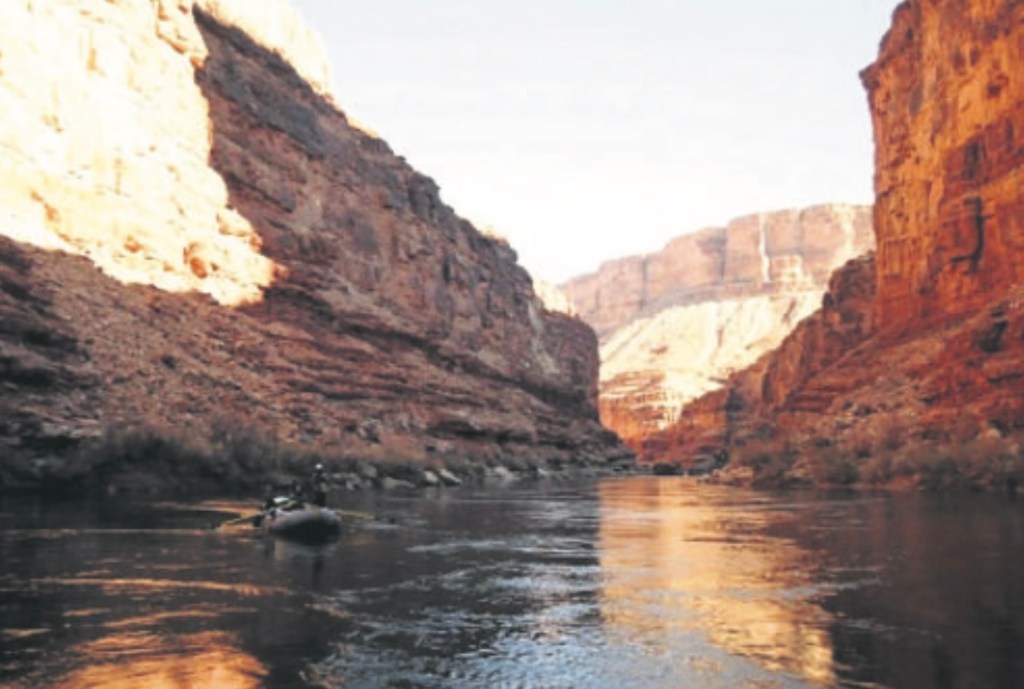
Tips for a successful multi-day river trip, from studying water levels to navigating group dynamics
This article was published in the Friday, April 28, 2017, edition of the Vail Daily Weekly.
You did your homework, found a few rivers that were within your ability level and threw your name into a lottery. You were one of the lucky few who scored a permit, and now it’s time to start planning your multi-day raft trip.
But where do you begin? From pre-trip planning to post-trip reflection, there’s a lot to take into consideration in order to make the most of an on-river experience, and now is the time to start beginning that process to prepare for summer floats.
“If you start thinking about this stuff ahead of time, your time on the river will be better used, thinking about how you’ll plan the next trip, what you like about this trip and what you don’t,” said Alex Dappen, retail associate and events coordinator for Downriver Equipment, a rafting retailer in Wheat Ridge.

The Vail Daily Weekly compiled everything you need to know to plan your next multi-day rafting excursion
KNOW THE RIVER
Trip planning begins with doing re- search on the river you intend to run. Most rivers are rated according to an internationally recognized classification of difficulty, with Class I being the easiest sections of flat water and Class VI reflecting exploratory rapids that are rarely, if ever, run due to their unpredictability and deadly consequences.
Rapid classifications can change based on water levels and acts of nature, such as flash floods rearranging the rocks that create the architecture of the rapids. It’s helpful to talk to other private boaters, commercial outfitters or park rangers who are familiar with the particular stretch of river you’ll be running and to study the hydrology of the river.
The Natural Resources Conservation Service, a division of the U.S. Department of Agriculture, tracks precipitation using snow telemetry. These SNOTEL readings, taken from hundreds of sites across the Western United States, can be used to help predict river flows, said Ron Radzieta, a geologist and earth science data consultant.
“You’ve got to really know if that river is going to be high or low when that (permit) date approaches, because you need to plan the number of miles to do each day,” among other consider- ations, he said.
Detailed flow reports for many commonly traveled Western rivers can be found on the Downriver website, downriverequip.com. Radzieta compiles the information, which includes SNOTEL and river gauge readings and a matrix with hyperlinks to additional resources.
Identifying the flows for a particular stretch of river can help determine what qualifications your oar persons should have, res- cue gear requirements, passenger to raft ratios and even whether you should cancel your trip altogether, either due to lack of water or high flows that make running the river too dangerous, Radzieta said.

A few factors come into play when assembling a team for a multi-day river rafting trip. First is making sure you have oars people with the necessary skills and experience to get the group down the river.
ASSEMBLE THE TEAM
Group dynamics are the next thing to consider, especially on longer trips.
“I think the dynamic of your group is really important, not only in the sense of everyone getting along together, but more in the sense of making the trip run smoothly,” Dappen said. “For people who are newer, or new to running a trip, I’ll give them a pep talk ahead of time. This may be a vacation, but you’re expected to pull your own weight. Everybody helps everyone out.”
Start by designating a trip leader — or TL in river parlance. The trip leader is responsible for logistics, including managing the trip budget, delegating respon- sibilities and, once on the river, executing the overall plan. The group will look to that person for leadership, direction and even inspiration if it’s been a tough day on the water, Dappen said.
“It’s a very important role, and it doesn’t always have to be the permit holder,” Dappen said. “A lot of times if you’re applying in big groups to try to acquire one of these permits, you might pull one but say, hey, this is over my head, maybe I’ll pass that responsibility off to you.”
A few factors come into play when assembling the rest of your group. First is making sure you have oars people with the necessary skills and experience to get the group down the river. Depending on the intensity of the run, you might also want secondary oars people to provide back- up support and someone with some medical training beyond basic first aid.
Also consider whether people in the group can get along with one another for days on end — a 14-foot raft is fairly close quarters and on-river fistfights are no fun — and what people are expecting from the trip.
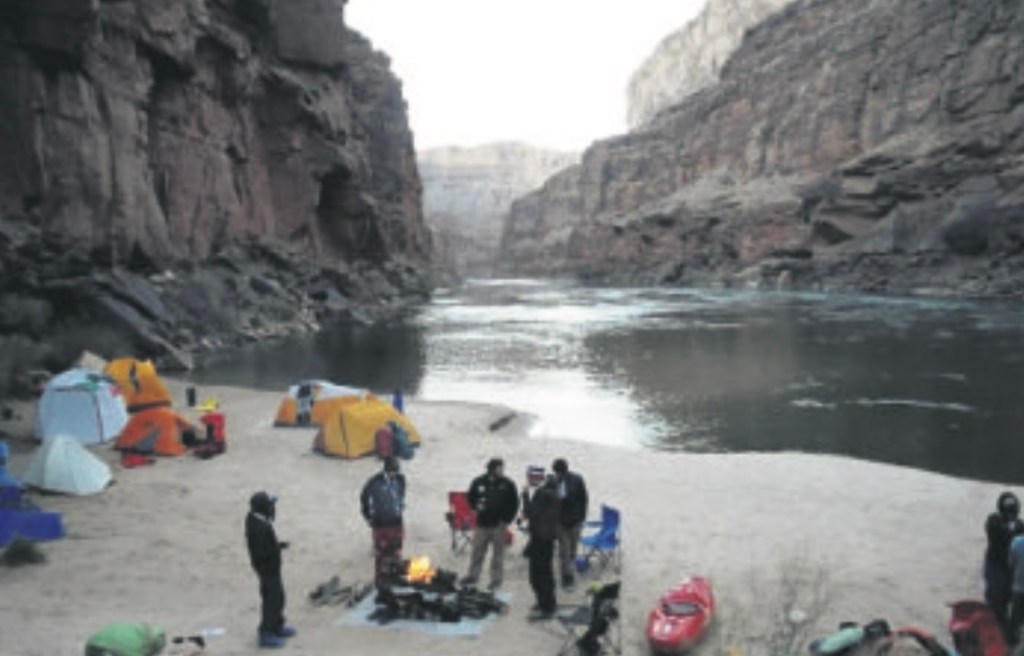
When making a gear list, take into account items required on that stretch of river, class of rapids, activities such as hiking and changing weather.
“Make sure you’re on the same page as the other people in your group, so you’re not expecting easy living, enjoying scenic views, take some nice hikes and the rest of the group is focused on putting back as much beer as they can, staying up late and getting rowdy,” Dappen said.
It’s also important that the trip leader communicates information about the river, from the classification of rapids to expectations for the weather, “so you don’t show up to your put-in and it’s 40 degrees and raining and you were expecting 80 degrees and sunshine all week,” Dappen said.
The more planning you do prior to your launch date, the less time you’ll need to spend on menial tasks during the precious days when you’re actually on the river. And remember that the best-laid plans always have the potential to go awry.
“Be ready for all the hiccups that are going to happen, because they’re going to happen,” said Phil Walczynski, president of Downriver. •


 Krista M. Driscoll